
A small cabin kitchen can work harder and look better than you ever imagined. These 25 smart ideas will help you style every inch with purpose and personality.
Cabin kitchens carry a unique charm that larger home kitchens simply cannot replicate. The cozy scale forces you to make intentional choices about furniture, color, and storage.
Every wall, corner, and vertical surface becomes a design opportunity in a compact cabin kitchen. Smart planning turns tight quarters into a space that feels curated and completely functional.
1. Shelving Maximizes Vertical Wall Space
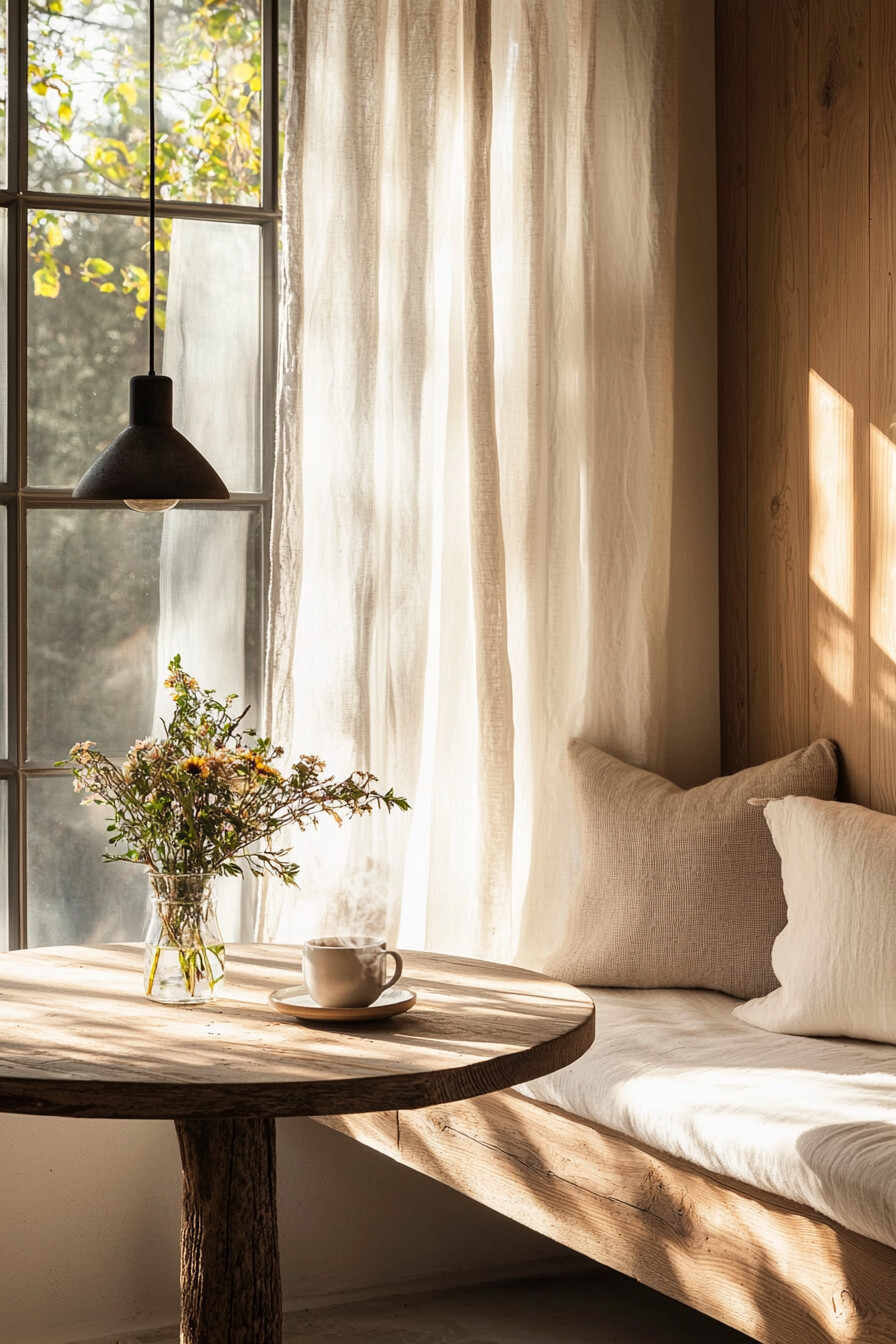
Tall open shelves draw the eye upward and make a small cabin kitchen feel significantly larger. You can display colorful dishware, rustic jars, and stacked bowls to turn everyday items into styled decor.
Install floating shelves at varying heights to organize spices, pantry staples, and glassware with clear visibility. Add woven baskets on lower shelves to tuck away clutter while keeping the overall look warm and cabin-appropriate.
2. Multi-Functional Furniture Saves Cabin Space
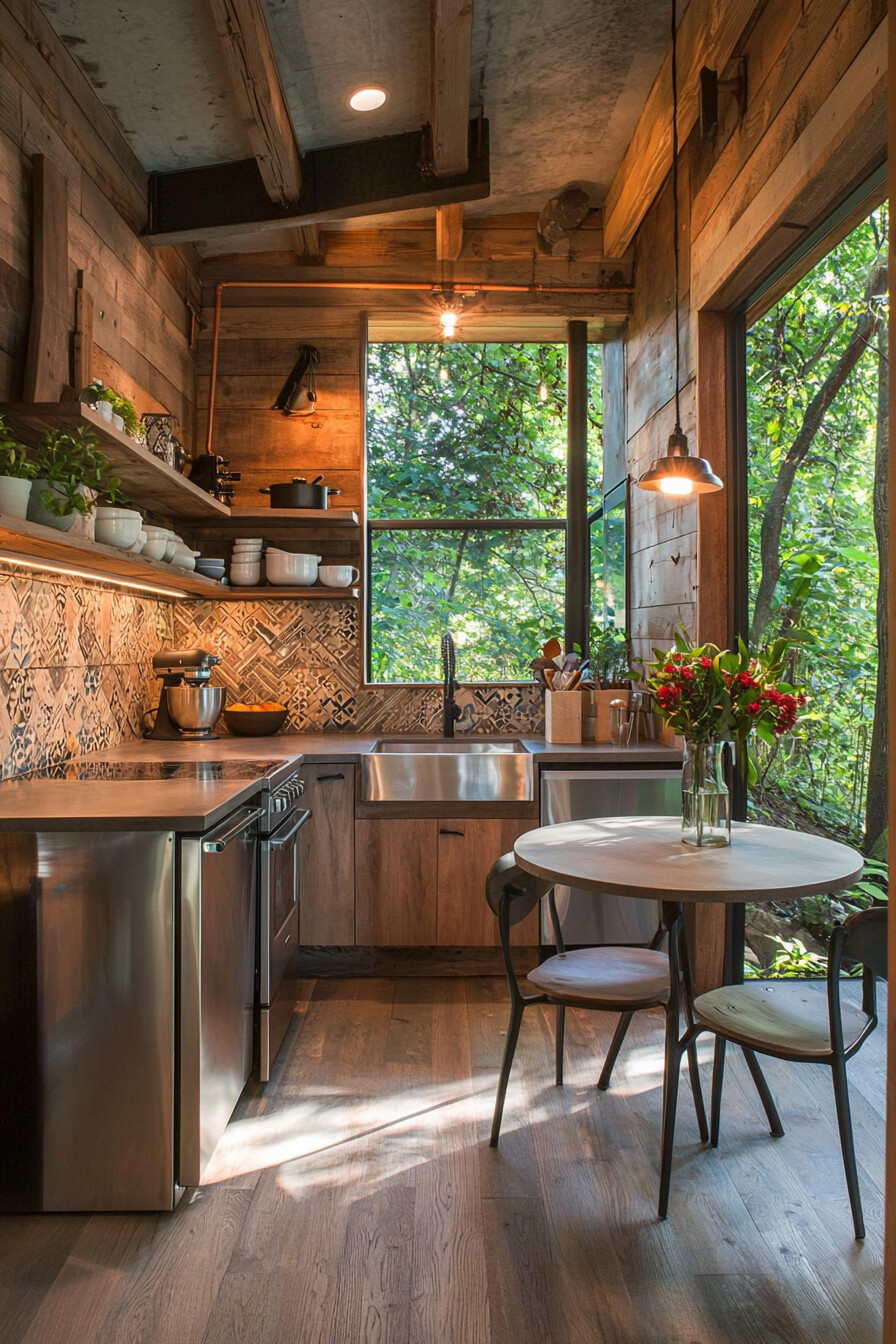
A kitchen island that doubles as a dining table gives you prep space and a social hub in one compact footprint. Stools tuck neatly underneath when guests leave, keeping the floor area open and uncluttered.
Choose a bench with a hinged seat to store linens, tools, or extra pantry overflow directly inside the furniture. Every piece in a cabin kitchen should serve at least two purposes to earn its place in the room.
3. Open Shelving Keeps Essentials Accessible

Replacing upper cabinets with open shelves instantly lightens the visual weight of a small cabin kitchen. Colorful dishware, glass jars, and stacked plates become part of the decor when you arrange them with intention.
Group similar items together so you can grab what you need without searching through cluttered cabinets. Keep the shelves edited and tidy, limiting each section to one category like spices, oils, or everyday ceramics.
4. Compact Appliances Free Up Counter Room

Slim refrigerators, narrow dishwashers, and countertop-sized ovens fit a cabin kitchen scale without dominating the room. Choosing appliances sized for the space immediately frees up counter area for food prep and styling.
Look for appliances with clean, simple finishes that blend into your cabinetry rather than competing for attention. A matte black or brushed stainless finish works beautifully against natural wood tones common in cabin interiors.
5. Pull-Down Tables Add Flexible Dining

A wall-mounted pull-down table gives you a full dining surface that completely disappears when you finish your meal. This single feature can transform a tight cabin kitchen into a comfortable dining space without any permanent footprint.
Mount the table at a height that works for both dining and light food prep to get double the function. Paint the table surface to match your wall color so it blends in seamlessly when you fold it away.
6. Corner Cabinets Unlock Hidden Storage

Corner cabinets in a cabin kitchen hold a surprising amount of storage that most small kitchens waste entirely. Lazy Susan inserts, pull-out drawers, and swing-out shelves turn awkward corners into highly functional storage zones.
Paint the interior of corner cabinets a lighter shade than the exterior to make items inside easier to spot. A well-organized corner cabinet can store your entire baking supply collection without claiming any additional wall space.
7. Pantry Nooks Store Dry Goods Neatly

A dedicated pantry nook carved into an unused wall or alcove keeps dry goods organized and off the countertop. Narrow shelves just deep enough for single-row storage let you see every item at a glance without digging.
Use uniform containers and clear jars to create a visually clean pantry nook that doubles as cabin kitchen decor. Adding a small curtain or sliding panel in front of the nook gives you the option to conceal the shelves instantly.
8. Wheeled Kitchen Islands Add Mobile Counter Space

A rolling kitchen island brings extra prep surface exactly where you need it and moves out of the way just as quickly. Choose one with shelves or drawers underneath to add meaningful storage without taking up permanent floor space.
Select a butcher block top for a warm, cabin-appropriate surface that ages beautifully with everyday cooking use. Locking casters keep the island stable during food prep and allow you to reposition it for cleaning or entertaining.
9. Under-Sink Storage Maximizes Cabinet Depth

The cabinet beneath the sink often becomes a forgotten dumping ground in small cabin kitchens. Adding tiered organizers, tension rods, and stackable bins turns that deep space into a fully functional cleaning supply hub.
Use a tension rod across the middle of the cabinet to hang spray bottles and free up the entire floor of the cabinet. Waterproof liners protect the cabinet base and make cleaning up any leaks or drips far easier.
10. Hanging Pots Organize Your Cookware

A ceiling-mounted pot rack keeps your most-used cookware visible, organized, and off every shelf and counter surface. Cast iron skillets, stainless pots, and copper pans become a display feature that adds serious cabin kitchen character.
Install the rack directly above your cooking zone so you can grab any pan mid-recipe without crossing the room. Choose a rack with an integrated herb drying bar or hooks for kitchen towels to maximize every inch of vertical real estate.
11. Clear Containers Organize Dry Goods Visually

Uniform clear containers lined up on open shelves turn your pantry staples into a clean, organized display. Flour, oats, pasta, and rice look intentional and styled when you decant them from mismatched packaging into matching jars.
Label each container with a simple chalk label or adhesive tag so every family member can find and return items correctly. Glass containers with airtight lids keep ingredients fresher longer and eliminate the visual noise of conflicting packaging designs.
12. Folding Breakfast Bars Create Dining Space

A wall-mounted folding breakfast bar gives a cabin kitchen a proper dining spot without consuming permanent square footage. Two people can comfortably eat, work, or enjoy coffee at a well-sized bar that folds flat against the wall afterward.
Install the bar beneath a window to create a bright, inviting spot that doubles as a morning workspace. Choose a hardwood finish that matches your existing cabinetry so the bar looks intentional rather than like an afterthought.
13. Magnetic Spice Racks Free Up Shelf Space

A magnetic spice rack mounted on the wall or side of the refrigerator keeps every spice visible and immediately within reach. Small metal tins with magnetic backs hold a full spice collection in a footprint that takes up zero counter or shelf space.
Arrange the tins in alphabetical order or by cuisine type so you never waste time searching during active cooking. The metallic tins add an industrial contrast that looks surprisingly stylish against rustic cabin wood tones and brick backsplashes.
14. Built-In Benches Combine Seating and Storage

A built-in bench along one wall of a cabin kitchen replaces freestanding chairs and adds a full storage compartment underneath. The hinged seat lifts to reveal a deep bin perfect for storing extra linens, seasonal items, or bulky kitchen tools.
Upholster the seat cushion in a durable, wipeable fabric that can handle everyday spills and muddy outdoor clothing. Paint the bench the same color as your lower cabinets to create a seamless, built-in look that makes the kitchen feel larger.
15. Stackable Kitchenware Reduces Cabinet Clutter

Choosing cookware and dinnerware designed to nest and stack reduces cabinet space consumption dramatically in a cabin kitchen. Stackable mixing bowls, nesting measuring cups, and modular food storage containers eliminate the avalanche of items falling out when you open a cabinet door.
Edit your kitchenware collection down to only the pieces you use regularly and store the rest outside the kitchen entirely. A curated selection of stackable, well-made pieces makes cooking in a small space feel organized rather than restricted.
16. Wall-Mount Knife Racks Clear Counter Space
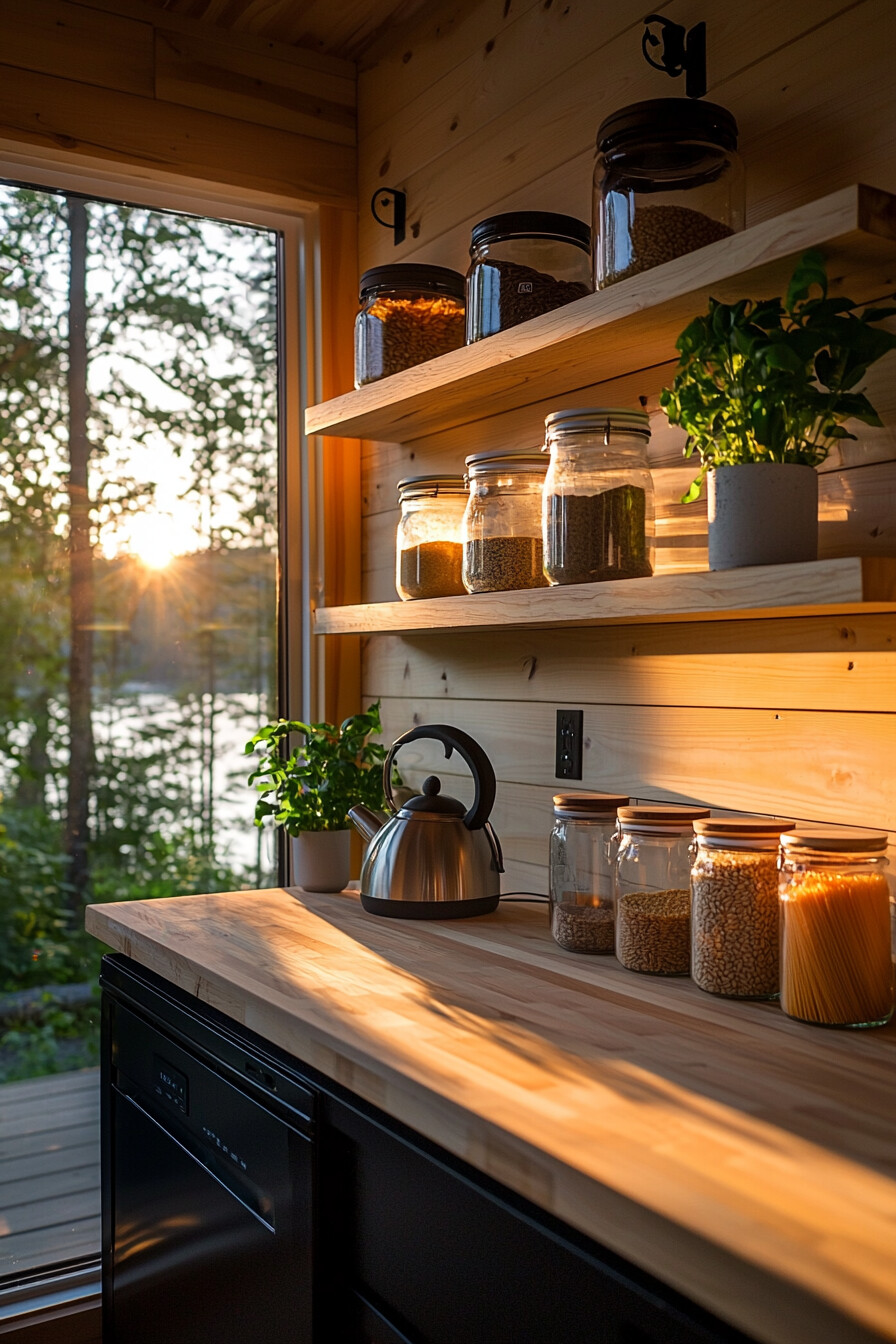
A wall-mounted magnetic knife rack keeps your full knife collection organized, safe, and completely off the countertop. The strip mounts directly to your backsplash or wall and holds every blade securely with strong magnetic force.
Position the knife rack between your prep zone and cooking zone for the most efficient workflow during meal preparation. A wooden magnetic strip adds warmth to a cabin kitchen wall while keeping sharp tools stored safely away from children.
17. Rolling Carts Expand Your Prep Area
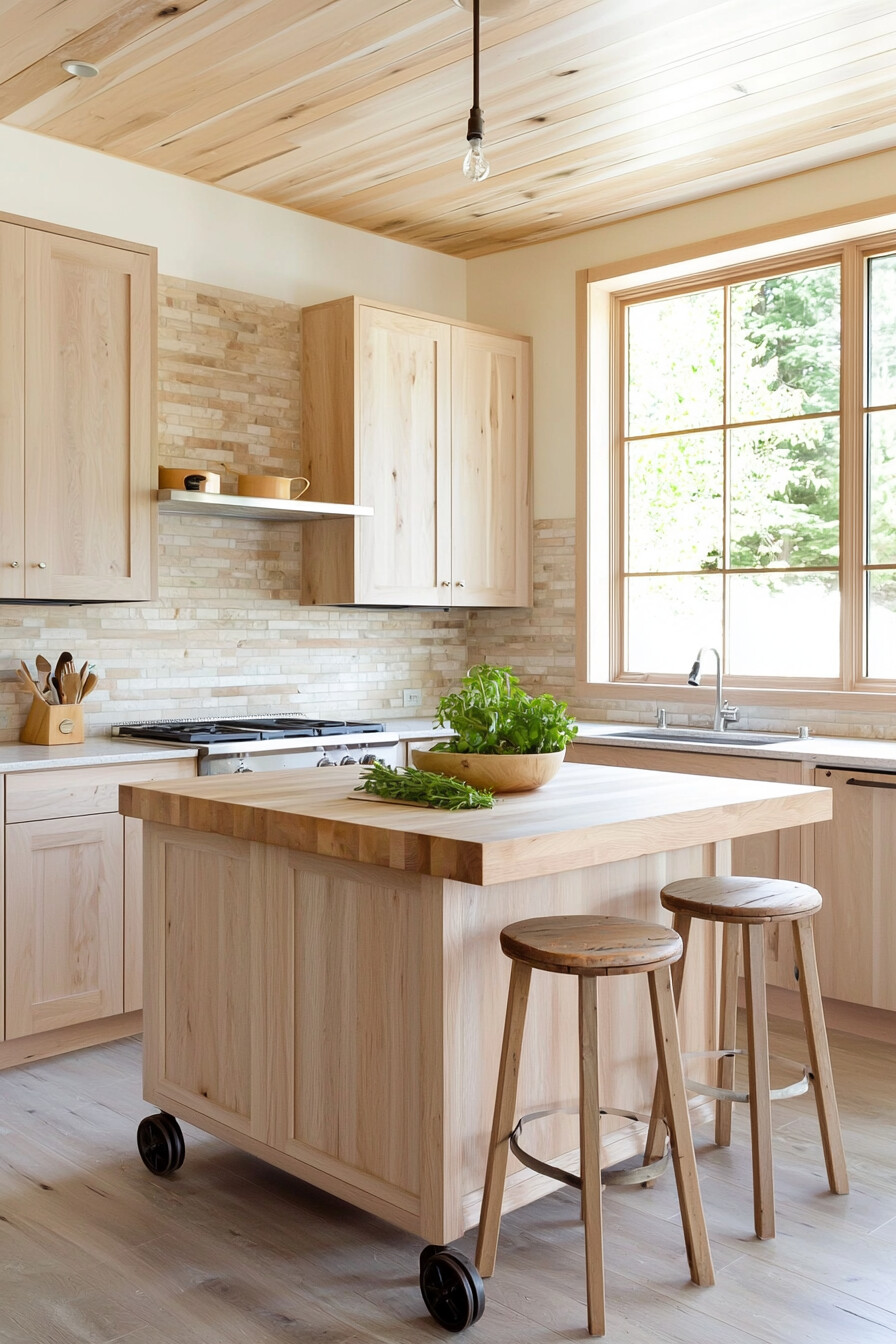
A rolling cart stationed beside the main counter instantly doubles your prep surface and adds two to three shelves of bonus storage. Choose a cart with a sturdy top surface and lower shelves that hold heavy items like cast iron pans or large mixing bowls.
Roll the cart into the dining area during meal service to use it as a drinks station or buffet surface. A butcher block or zinc top adds visual interest and complements the natural material palette of a well-styled cabin kitchen.
18. Hanging Utensils Create Functional Wall Displays

A mounted utensil rail along the backsplash keeps spatulas, ladles, and tongs accessible without filling a drawer or cluttering the counter. The rail becomes a functional wall display that adds texture and a crafted, kitchen-workshop feel to the space.
Choose utensils with matching handle colors or materials to create a cohesive, styled look rather than a random collection. Wooden-handled utensils hung against white subway tile or reclaimed wood create a classic cabin kitchen aesthetic instantly.
19. Light Colors Visually Expand Small Kitchens

Painting cabin kitchen walls, cabinets, and even ceilings in soft whites, warm creams, or pale sage greens makes the entire room feel noticeably larger. Light colors reflect natural light back into the space and prevent the walls from closing in around you.
Pair light painted cabinets with a natural wood countertop to keep the palette warm rather than cold or clinical. A two-tone approach using a slightly darker shade on lower cabinets grounds the room while keeping the upper half airy and bright.
20. Compost Bins Organize Kitchen Waste Neatly
A compact compost bin mounted inside a cabinet door or tucked under the sink keeps food scraps contained and out of sight. Choosing a bin with a tight-fitting lid eliminates odors and keeps the cabin kitchen counter completely clear of waste containers.
Line the bin with compostable bags to make emptying clean and quick without any residue left behind in the container. A stainless steel countertop compost crock with a carbon filter lid also works beautifully as a functional accent piece on open shelving.
21. Drawer Dividers Keep Utensils Organized
Adjustable drawer dividers transform a chaotic kitchen drawer into a perfectly sorted collection of tools, cutlery, and gadgets. Every item sits in its own dedicated space, making it effortless to grab exactly what you need without pulling out half the drawer.
Measure your drawers before purchasing dividers and choose a bamboo or wood option that complements your cabin kitchen interior. Sort drawers by function, keeping cooking tools in one, baking tools in another, and cutlery in a third dedicated drawer.
22. Sliding Barn Doors Save Swing Clearance
A sliding barn door eliminates the swing clearance that a traditional hinged door demands in a tight cabin kitchen layout. The door glides along a wall-mounted track and adds a strong rustic architectural detail that defines the entire room.
Choose a reclaimed wood panel with visible grain and hardware for a door that becomes the kitchen’s most striking design feature. Paint the barn door a contrasting color to the walls to frame the kitchen entrance and add intentional visual depth.
23. Farmhouse Sinks Add Rustic Character
A deep apron-front farmhouse sink anchors a cabin kitchen with immediate rustic charm and serious functional depth. The wide basin handles large pots, sheet pans, and even fresh produce washing without splashing water across the counter.
Pair a white ceramic farmhouse sink with brass or oil-rubbed bronze fixtures to create a timeless, warm cabin aesthetic. The exposed apron front of a farmhouse sink adds a furniture-like quality that elevates the entire lower cabinet run around it.
24. Breakfast Nooks Create Cozy Dining Corners
A built-in breakfast nook tucked into a corner of the cabin kitchen creates an intimate dining space that feels completely intentional. Banquette seating with storage underneath maximizes every inch of the corner while giving you a charming spot to start the day.
Add a round table to a nook to soften the corner geometry and make the seating area feel welcoming rather than cramped. Layer the bench with textured cushions and throw pillows in earthy tones to reinforce the cozy cabin aesthetic throughout the kitchen.
25. Layered Lighting Transforms Kitchen Ambiance
Combining overhead lighting, under-cabinet task lighting, and pendant fixtures creates a layered lighting scheme that makes a cabin kitchen feel warm and dimensional. Each layer serves a distinct purpose, from illuminating the prep counter to casting a warm glow over the dining nook.
Choose warm-toned bulbs throughout the kitchen to enhance wood tones, natural textures, and earthy color palettes common in cabin interiors. Dimmer switches on overhead fixtures let you shift the kitchen atmosphere from bright and functional to soft and intimate in seconds.
Start with one or two of these ideas and build your cabin kitchen transformation from there. Every smart change you make brings more function, more style, and more enjoyment to the heart of your cabin.


