
A small living room can feel just as stylish and spacious as a large one with the right layout choices. These 24 ideas give you practical, design-forward ways to open up every corner of your space.
Small living rooms present a unique design challenge that most homeowners face at some point. The good news is that smart furniture placement and thoughtful styling can completely transform how a room feels.
The key lies in understanding how the eye moves through a space and what tricks the brain into perceiving more room. Vertical lines, light colours, and scaled furniture all play powerful roles in expanding a small living room visually.
You don’t need to gut your space or spend a fortune to see a real difference. Small, intentional changes to your layout and decor create dramatic results that make your living room feel twice its actual size.
1. Tall Shelving Maximizes Vertical Space

Tall shelving units pull the eye upward and make ceilings feel higher in any small living room. Open shelves with items of varying heights add visual interest while keeping the overall look light and airy.
Choose a slim ladder shelf or narrow bookcase that fits flush against the wall without eating into floor space. Paint the shelving in a soft white or warm neutral to help it blend seamlessly with the surrounding walls.
2. Corner Sofa Expands Seating Capacity

A corner sofa tucks neatly into the room’s corner and frees up the central floor area for movement and styling. Its L-shaped form seats more people than a traditional sofa without pushing furniture awkwardly into the middle of the room.
Choose a model with exposed legs to create a lifted, open look that keeps the room from feeling heavy. Add cushions in a mix of textures and tones to bring personality and comfort to the arrangement.
3. Round Coffee Table Improves Room Flow

A round coffee table removes the sharp corners that interrupt movement in a small living room. Its curved silhouette creates a softer, more open atmosphere that makes the seating area feel relaxed and welcoming.
Choose a table with a slim profile or an open base, such as a hairpin leg design, to maintain visual lightness. A glass or marble top adds elegance without adding visual bulk to the room.
4. Area Rugs Define Room Zones

Area rugs give a small living room clear structure by visually separating different functions within a single open space. A well-placed rug anchors the seating area and makes the room feel intentionally designed rather than cramped.
Choose a rug that fits completely under the front legs of your sofa and chairs to unify the seating zone. Opt for light or neutral tones with a subtle pattern to add texture without overwhelming the space.
5. Built-In Furniture Maximises Storage Efficiency

Built-in furniture wraps around walls and uses every available inch of space in a way that freestanding pieces simply cannot. Custom shelving, window seats with storage, and built-in cabinetry all remove clutter while adding architectural interest.
Commission a local carpenter to build a simple shelving unit around an existing doorway or fireplace alcove. This approach turns dead wall space into a functional, visually cohesive storage solution that suits your exact room dimensions.
6. Mirrors Create Illusion of Space

Mirrors reflect light and duplicate the visual depth of a room, making small living rooms feel significantly larger. A large wall mirror placed opposite a window doubles the natural light and creates a bright, open atmosphere.
Lean an oversized floor mirror against a wall for an effortless, stylish look that requires no installation. Choose a frame that complements your existing furniture tones to keep the overall aesthetic cohesive and intentional.
7. Folding Table Offers Flexible Functionality

A folding table gives a small living room versatile surface space that disappears completely when not in use. It works as a dining table, workspace, or display surface depending on what the moment demands.
Mount a fold-down table directly onto the wall to free up floor space entirely when you fold it away. Choose a wood finish that matches your existing furniture so the table feels like a deliberate design choice rather than an afterthought.
8. U-Shape Seating Encourages Conversation

Arranging seating in a U-shape creates an intimate, social atmosphere that feels warm and inviting in a small living room. The layout keeps everyone facing each other and centers the arrangement around a natural focal point.
Use a combination of a sofa, two armchairs, and a central coffee table to achieve the U-shape without overcrowding. Keep pathways clear on at least one side so the room retains easy, comfortable circulation for everyday movement.
9. Pull Furniture Away From Walls

Pulling furniture slightly away from the walls creates breathing room that makes a small living room feel more intentional and spacious. Even a few centimetres of space between a sofa and the wall adds surprising depth to the overall layout.
Float your sofa at least 30 centimetres from the back wall and anchor it with a rug to define the zone. This arrangement also creates natural space for a slim console table or floor lamp behind the sofa.
10. Wall Shelves Free Up Floor Space

Hanging shelves directly onto walls keeps the floor clear and draws the eye upward, adding height to a small living room. Wall-mounted shelving provides storage and display space without the heavy footprint of a floor-standing unit.
Install a staggered row of shelves at varying heights to create a dynamic, gallery-like wall display. Style them with a mix of books, small plants, and decorative objects to add personality without cluttering the floor below.
11. Minimalist Design Opens Up Rooms

A minimalist approach strips a small living room back to its most functional and beautiful elements. Fewer pieces of furniture, a restrained colour palette, and clear surfaces all contribute to a calmer, more spacious feel.
Edit your existing furniture down to the essentials and remove anything that serves no clear purpose in the room. Choose one or two quality statement pieces rather than filling every corner with smaller decorative items.
12. Light Colours Brighten Small Rooms

Light colours on walls, ceilings, and furniture reflect natural light and make a small living room feel airy and open. Soft whites, warm creams, and pale greys create a cohesive, expansive backdrop that never feels busy or overwhelming.
Paint the ceiling the same colour as the walls to visually raise the ceiling height and unify the entire space. Introduce warmth and depth through textured textiles, such as linen cushions or a woven throw, rather than through darker paint tones.
13. Gallery Wall Adds Personal Style

A gallery wall transforms a blank surface into a curated display that adds personality and visual interest to a small living room. A well-composed arrangement of artwork, prints, and photographs creates a focal point that draws the eye and elevates the space.
Lay out your arrangement on the floor before hammering a single nail to test the composition and spacing. Keep frames within a consistent colour family, such as all black or all natural wood, to maintain a cohesive, intentional look.
14. Clear Acrylic Furniture Reduces Visual Clutter

Clear acrylic furniture occupies physical space in a small living room without adding visual weight to the overall design. A transparent side table, chair, or console appears to float in the room, keeping sightlines open and unobstructed.
Pair an acrylic side table with a textured sofa to create contrast that feels both modern and thoughtfully styled. Clean acrylic surfaces regularly with a soft cloth to keep them looking crisp and to maintain the light, open effect.
15. Ottomans Provide Seating and Storage

Ottomans serve double duty in a small living room by acting as extra seating, a coffee table surface, and hidden storage all at once. Their soft, upholstered form adds warmth and texture while solving multiple practical problems in a single piece.
Choose a large square ottoman with a lift-top lid to store blankets, remotes, and everyday clutter out of sight. Style the top with a small tray, a candle, and a book to create a polished, coffee-table-style surface.
16. Daybed Adds Relaxation Versatility
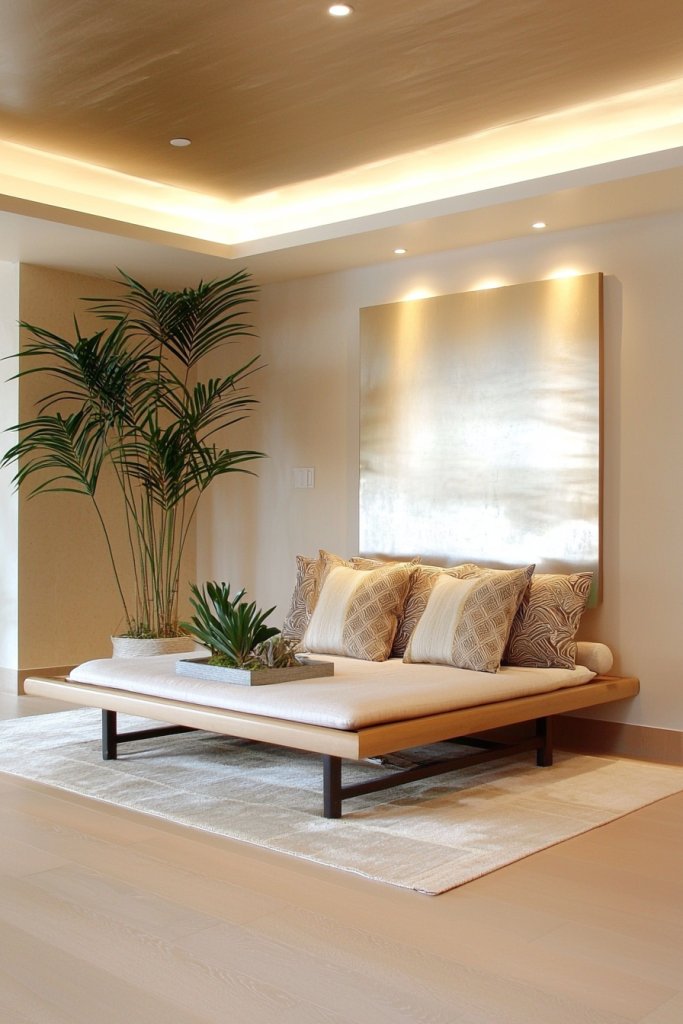
A daybed brings a relaxed, dual-purpose energy to a small living room by functioning as both a sofa and an occasional sleeping space. Its streamlined frame takes up no more room than a standard sofa while offering far greater flexibility.
Style a daybed with layered cushions and a throw to make it feel like a luxurious lounge seating option during the day. Choose a daybed with built-in drawers underneath to add even more hidden storage to a compact living space.
17. Minimal Accessories Reduce Visual Noise

Keeping accessories to a minimum in a small living room prevents the space from feeling cluttered and overwhelming. A carefully curated selection of decorative objects creates far more impact than a surface crowded with unrelated pieces.
Choose three to five meaningful decorative items and give each one breathing room on its designated shelf or surface. Rotate accessories seasonally to keep the room feeling fresh without permanently adding more objects to the space.
18. Low-Profile Furniture Keeps Sightlines Open

Low-profile furniture sits closer to the ground and leaves more of the wall visible, which makes a small living room feel taller and more open. Sofas, coffee tables, and media units with a sleek, low silhouette contribute to a calm, uncluttered atmosphere.
Look for a sofa with a seat height under 40 centimetres and slim arms that don’t block the room’s sightlines. Pair low furniture with tall shelving elsewhere in the room to create a satisfying sense of visual balance and proportion.
19. Diagonal Furniture Arrangement Adds Depth

Placing furniture at a diagonal angle introduces unexpected depth and movement into a small living room layout. The angled positioning draws the eye across the longest diagonal line of the room, making the space feel larger than a straight arrangement would.
Angle the sofa slightly toward the main focal point, such as a fireplace or television, to anchor the arrangement naturally. Use a rug placed at the same diagonal angle to reinforce the layout and tie the furniture grouping together.
20. Sofa Table Creates Natural Room Divider

A sofa table placed directly behind a floating sofa creates a subtle divider that defines the living area without blocking light or sightlines. This slim, tall piece of furniture adds both function and structure to an open-plan or multipurpose living space.
Style a sofa table with a lamp, a small plant, and a few books to create a layered, inviting vignette. Choose a table in a warm wood or metal finish that complements the sofa fabric and the wider room colour scheme.
21. Vertical Storage Solutions Save Floor Space

Vertical storage solutions make full use of wall height in a small living room and keep valuable floor space completely free. Tall cabinets, stacked shelving, and wall-mounted units all move storage upward rather than outward into the room.
Install shelving that reaches all the way to the ceiling to maximise every available centimetre of vertical wall space. Use the higher, harder-to-reach shelves for seasonal storage and reserve the lower shelves for everyday items and decorative displays.
22. Wall-Mounted TV Saves Floor Space
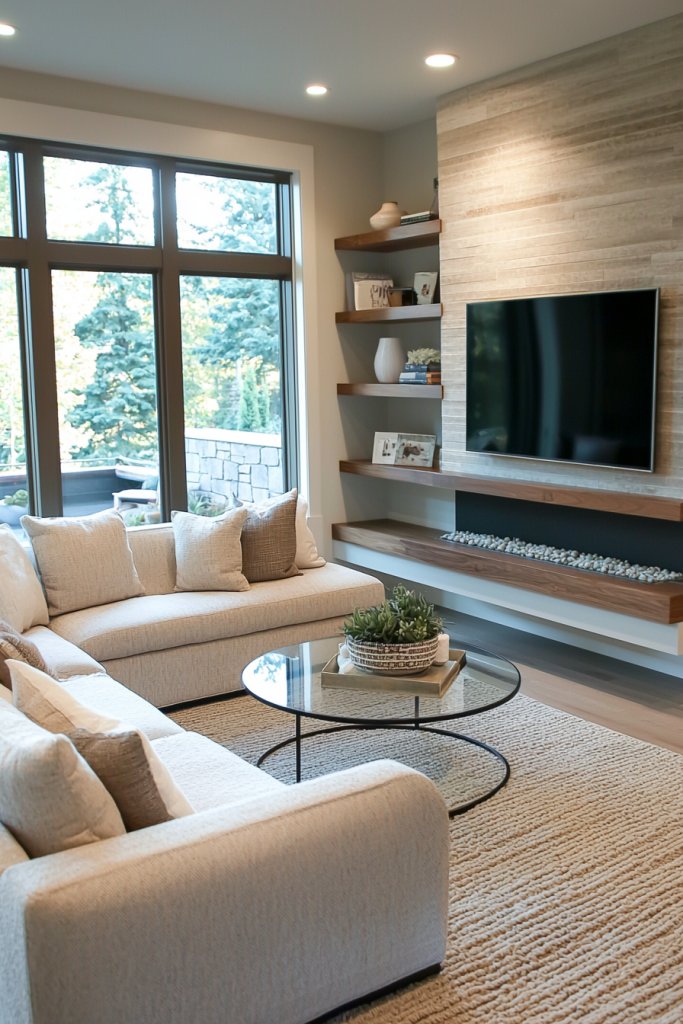
Mounting the television directly onto the wall removes the need for a bulky TV unit and frees up significant floor space in a small living room. A wall-mounted screen sits flush against the surface, streamlining the room and creating a clean, modern focal point.
Run cables through the wall or use a slim cable channel painted to match the wall colour for a tidy, professional finish. Style the wall around the screen with a few floating shelves to create a balanced, intentional media wall arrangement.
23. Window Seat Creates Cosy Reading Nook

A window seat transforms an underused bay or alcove into a charming, functional nook within a small living room. It adds seating without taking up central floor space and connects the interior directly to the natural light and views outside.
Build a simple bench seat into the window alcove with hinged lids to create hidden storage beneath the cushioned surface. Style the nook with a mix of cushions and a small side table to make it feel like a dedicated relaxation zone.
24. Curtains Add Height and Softness

Hanging curtains close to the ceiling rather than at window height draws the eye upward and makes a small living room feel significantly taller. Long, flowing panels that skim the floor add elegance and soften the hard lines of walls and windows.
Choose curtains in a light fabric such as linen or cotton voile to let natural light filter through beautifully. Select a colour that sits close to the wall tone to create a seamless, elongated look that expands the room visually.
Start with one or two of these layout ideas and build from there as you get a feel for what works in your specific space. Small changes to furniture placement, colour, and storage can completely transform how your living room looks and feels every single day.


